Plexus zwinnośćagility
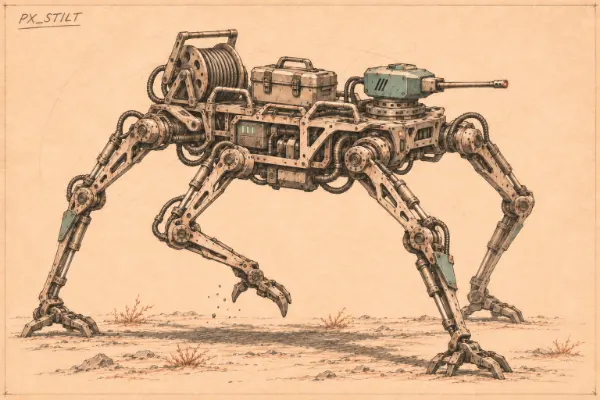
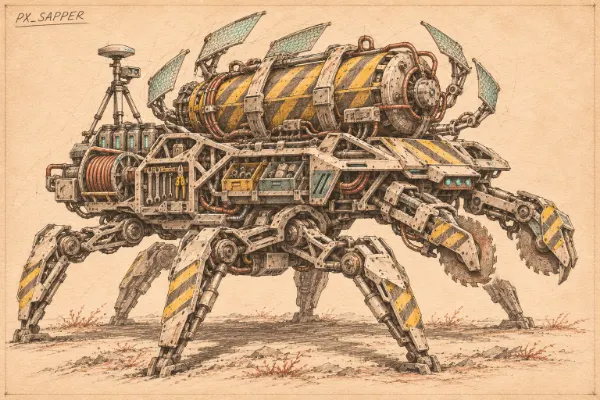
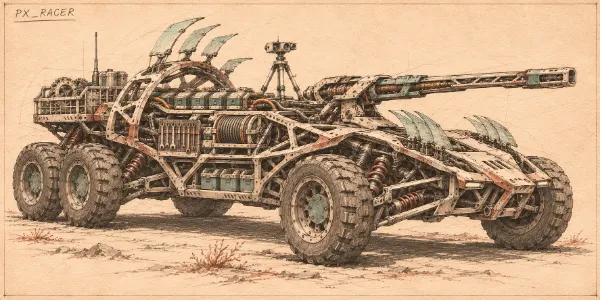
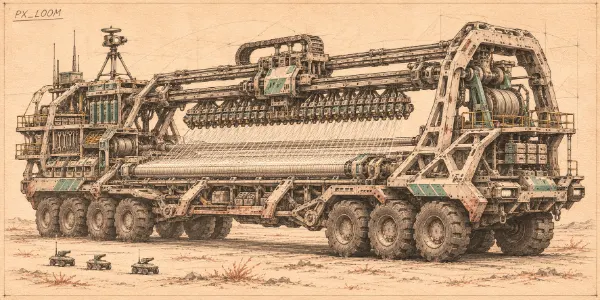
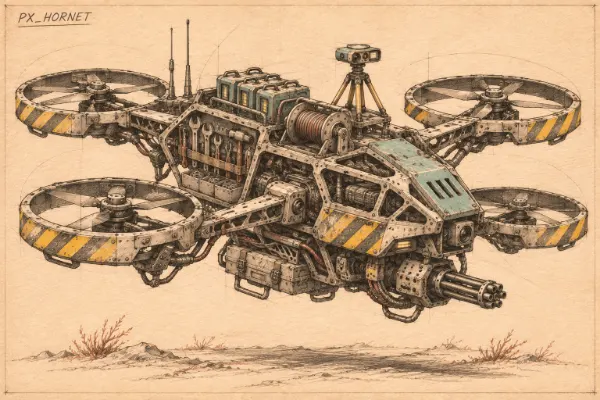
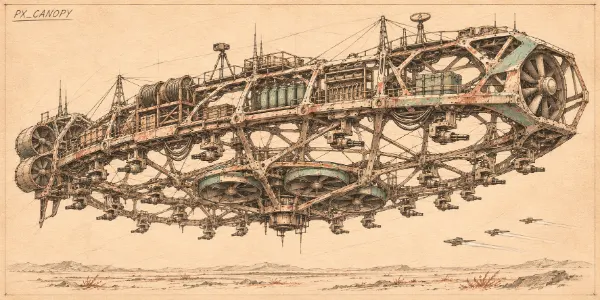
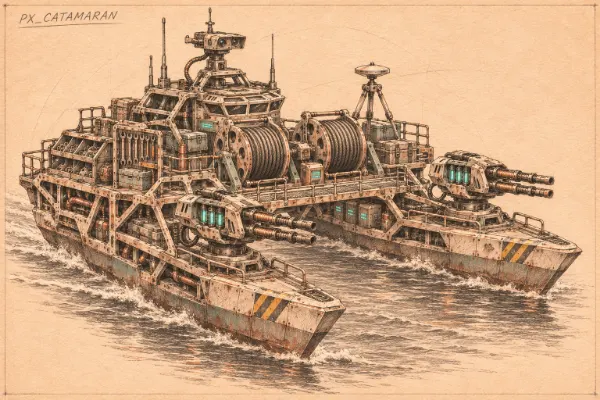
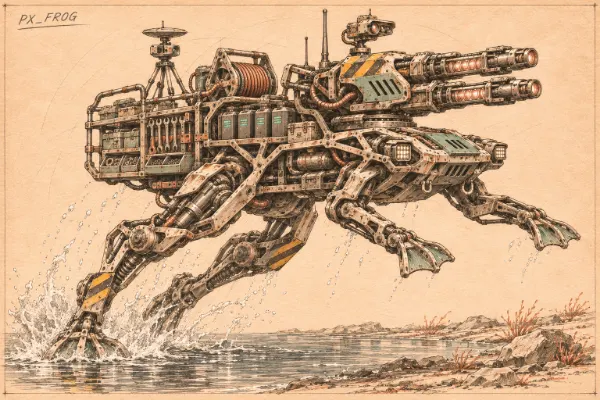
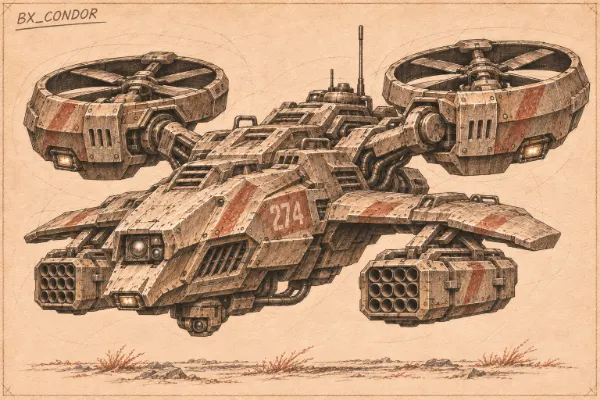
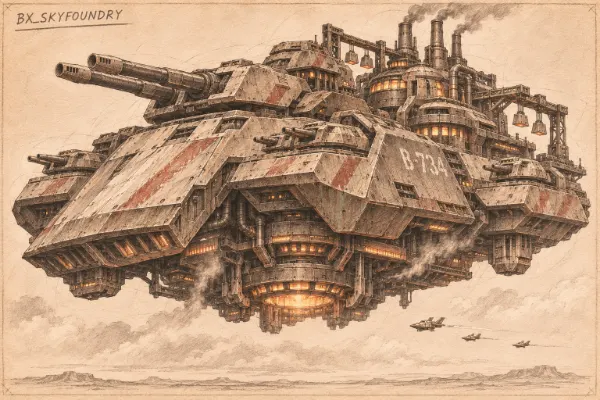
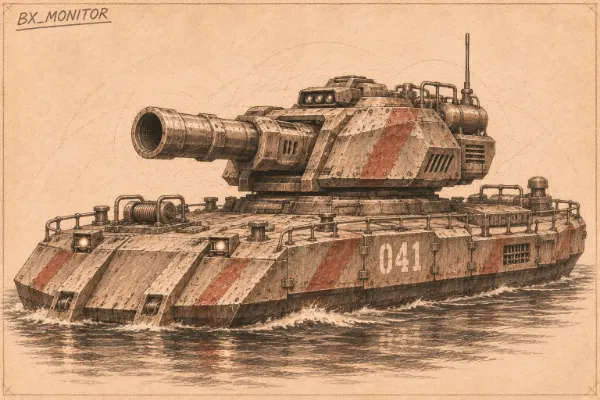
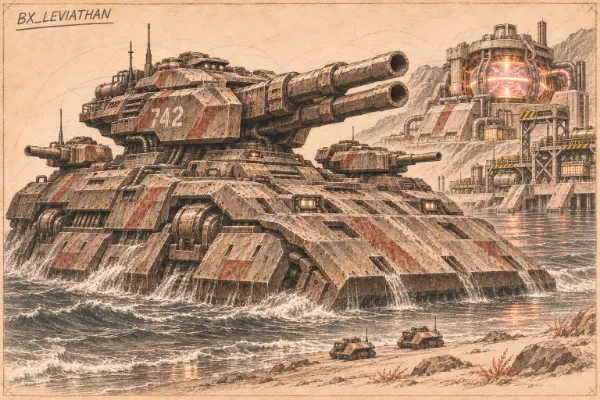
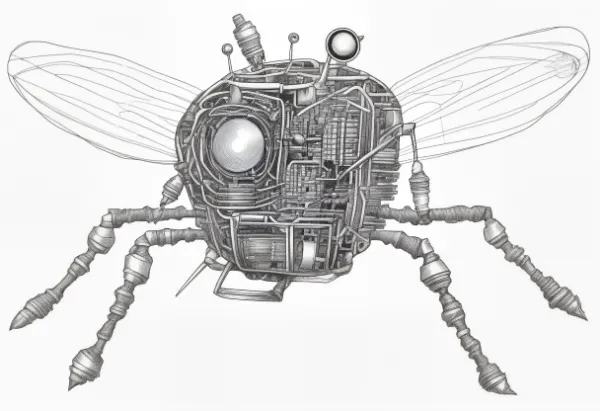
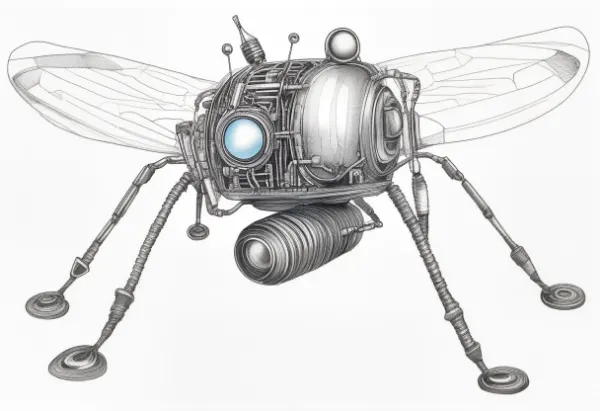
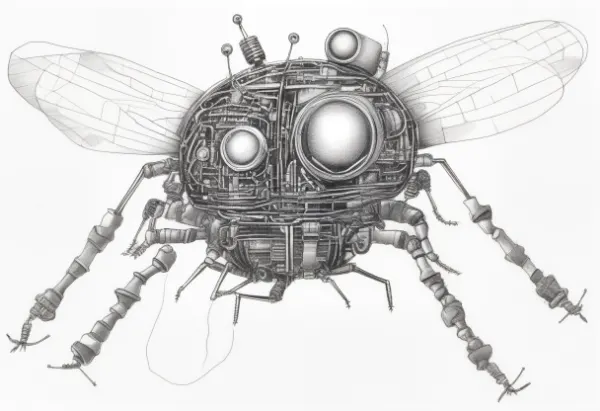
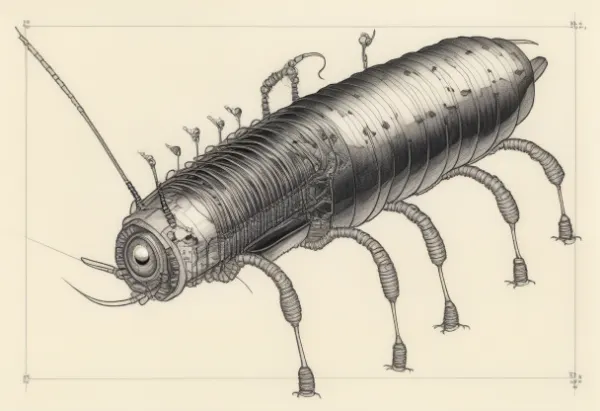
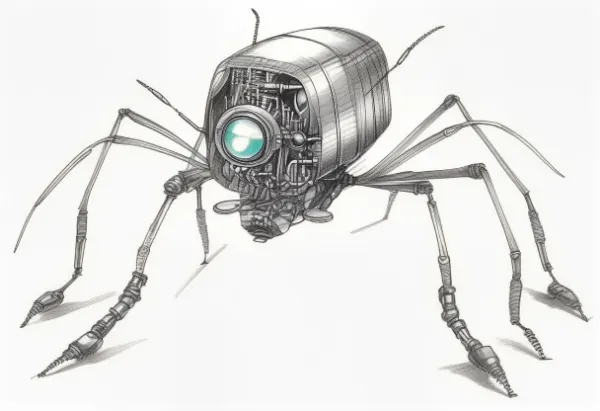
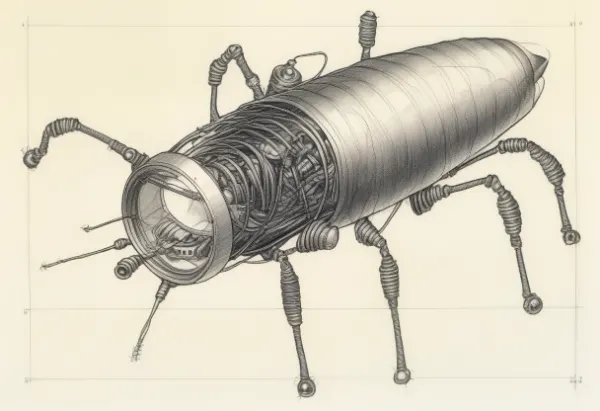
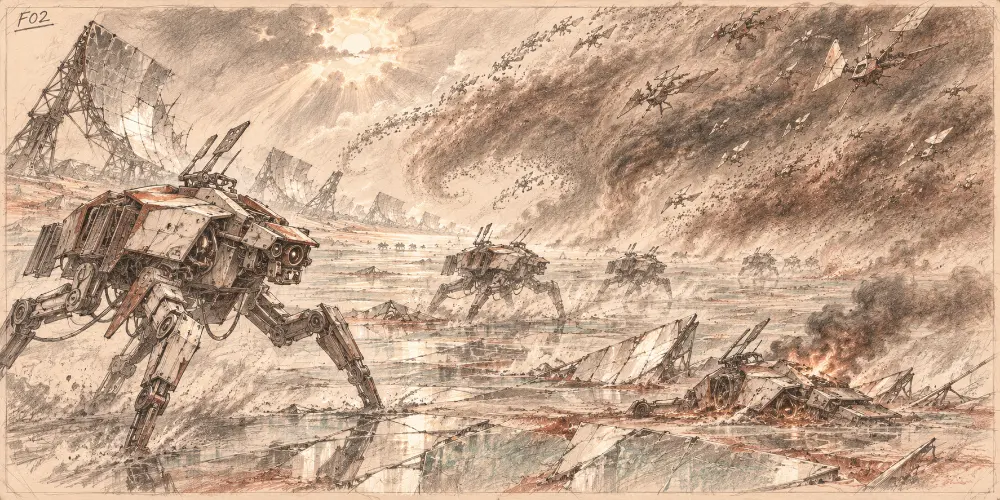
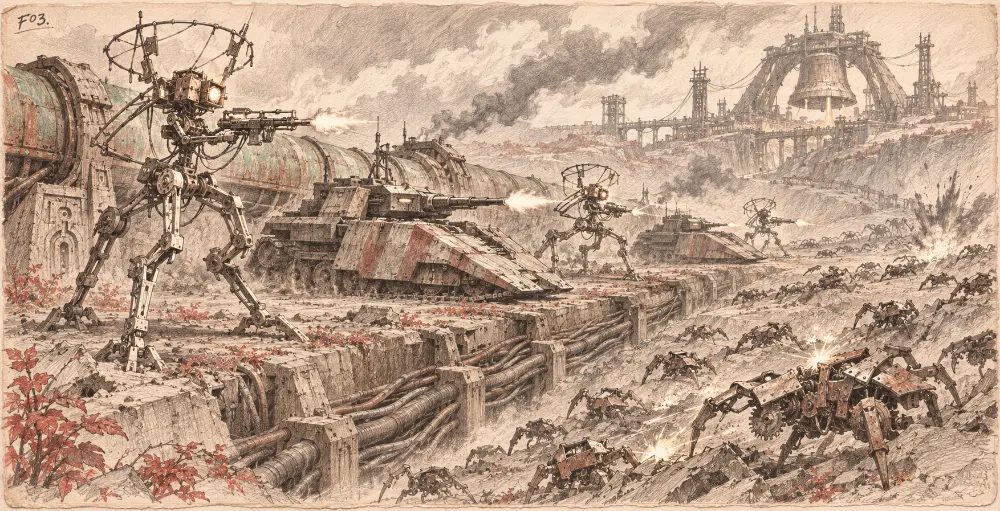
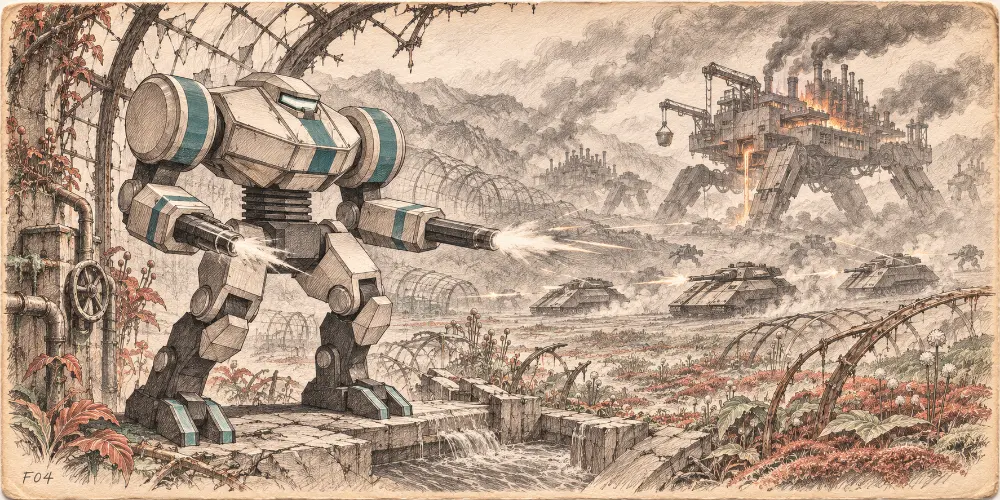
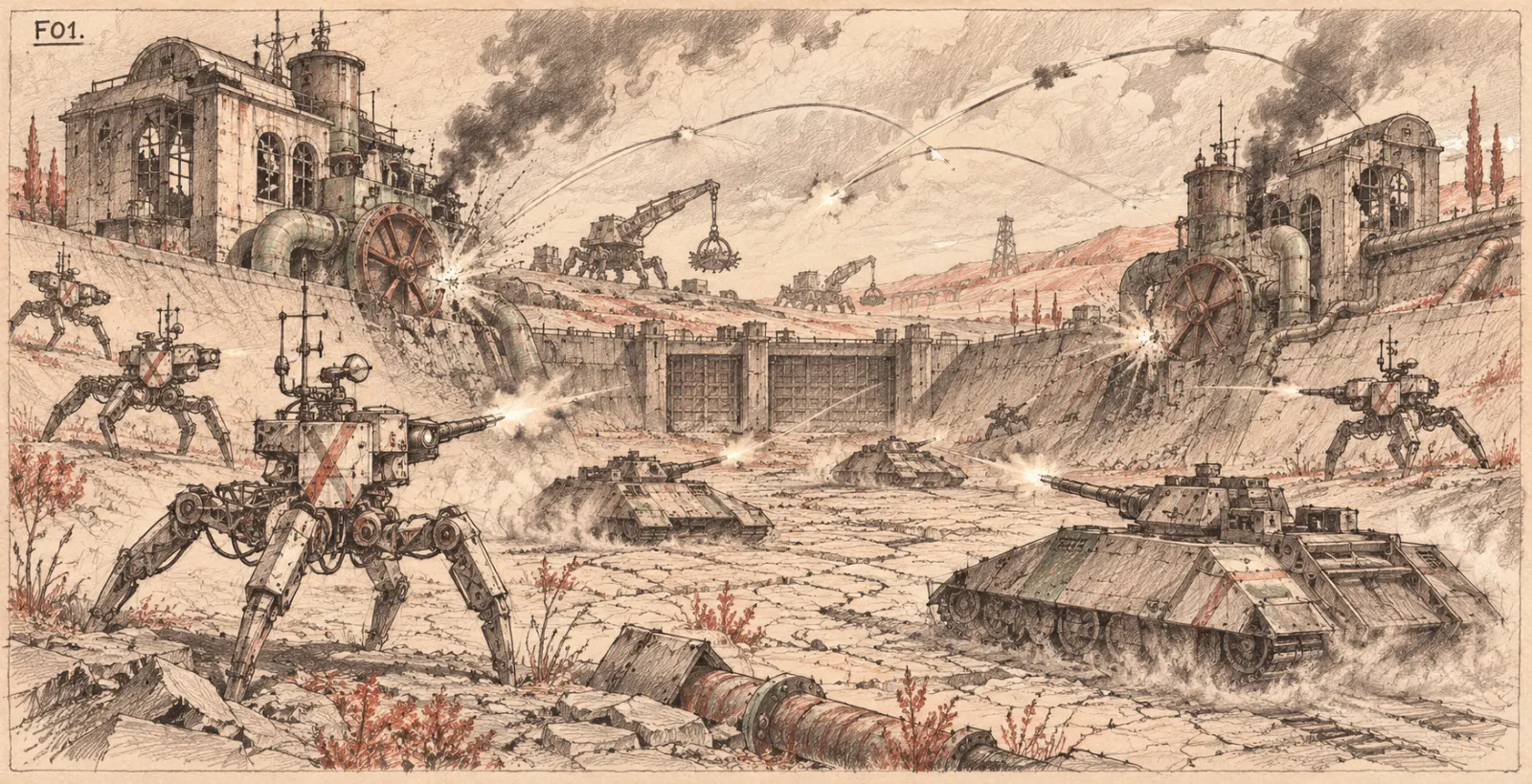
Plexus wywodzi się z jednostek serwisowych, które po wojnach jądrowych utraciły wielkie centra. Konstrukcje są lekkie, szybkie i odsłaniają złącza: każdy kadłub ma miejsce na moduł serwisowy, drugi na narzędzie, trzeci na to, co akurat trzeba podmienić. Plexus nie wygrywa grubością pancerza. Wygrywa tym, że jest tam, gdzie przeciwnik go nie oczekiwał, i znika, zanim przeciwnik zdąży odpowiedzieć.
Plexus descends from service units that lost their great centres after the nuclear wars. The constructs are light, fast and leave their joints exposed: every hull has a slot for a service module, another for a tool, a third for whatever needs swapping at the moment. Plexus does not win by thickness of armour. It wins by being where the enemy did not expect it, and by being gone before the enemy can answer.
Kamuflaż pochodzi z dawnych osłon inspekcyjnych; jego utrzymanie kosztuje energię. Samodetonacja to dziedzictwo procedury zamykania uszkodzonych modułów: jednostka, której nie da się odzyskać, zamienia resztę energii w wybuch.
Cloak comes from the old inspection screens; holding it costs energy. Self-detonation is the legacy of the procedure for shutting down damaged modules: a unit that can no longer be recovered turns the rest of its energy into a blast.
Odpowiedź na Plexus: wykrywanie, obrona punktowa w głębi i nieprzepuszczanie małych grup do zaplecza.
Answer to Plexus: detection, point defence in depth, and never letting small groups slip through to the rear.